
Engineering Insurance
Engineering insurance is a specialized category of general insurance that protects engineering projects, machinery, and electronic equipment against p...
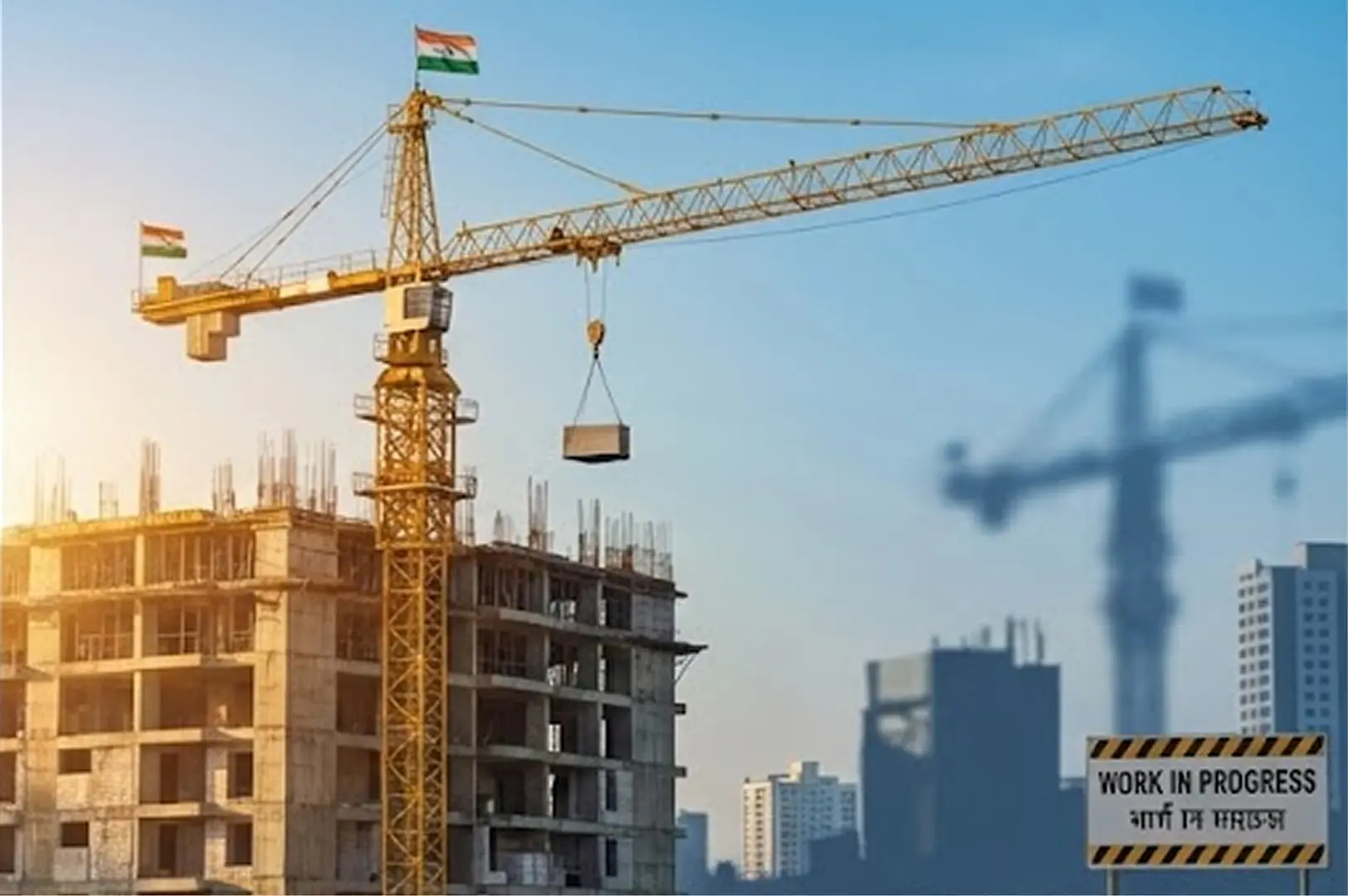
Engineering Insurance
Engineering insurance is a specialized category of general insurance that protects engineering projects, machinery, and electronic equipment against physical loss or damage during construction, installation, and operation. It provides a financial safety net for stakeholders, including contractors, investors, and project owners, mitigating risks from unforeseen events.
Common Types of Engineering Insurance
Policies are generally categorized for projects in the construction phase versus equipment in the operational phase.
Construction Phase Policies

Contractor's All Risk (CAR) Insurance
Covers civil engineering projects like buildings, roads, and bridges during construction. It protects against damage to the works and covers third-party liability for property damage or bodily injury.

Erection All Risk (EAR) Insurance
Covers projects involving the installation and erection of machinery and plants, such as in factories or power plants. It protects against physical damage during assembly, installation, and testing.

Contractor's Plant and Machinery (CPM) Insurance
Covers the damage or destruction of a contractor's construction equipment, like cranes, excavators, and generators, whether at the site, in storage, or during transport.
Operational Phase Policies

Machinery Breakdown (MB) Insurance
Protects against sudden and unforeseen mechanical or electrical breakdowns of critical machinery in manufacturing or industrial units, covering repair or replacement costs.

Electronic Equipment Insurance (EEI)
Provides comprehensive coverage for electronic systems and equipment, including computers, servers, and medical or industrial electronic devices. Coverage includes damage from accidents, fire, and natural disasters.

Boiler and Pressure Plant (BPP) Insurance
Protects against explosions and damage to boilers, pressure vessels, and other equipment operating under pressure.

Machinery Loss of Profit (MLOP) Insurance
Covers financial losses resulting from the interruption of business following a covered machinery breakdown.
What is Typically Covered?
Coverage varies by policy, but common inclusions are:
Damage from Natural Disasters
Such as fires, floods, storms, and earthquakes.
Damage from Human Error
Including theft, negligence, and malicious acts.
Mechanical and Electrical Breakdowns
Failures due to short-circuiting, voltage surges, or other operational issues.
Third-Party Liability
Bodily injury or property damage to third parties caused by the insured's project or machinery.
Removal of Debris
The cost of clearing debris after an insured loss.
Typical Exclusions
Certain causes of loss or damage are generally not covered, including:
- Faulty design or materials: Losses caused by inherent defects.
- Wear and tear: Gradual deterioration from normal use.
- Intentional acts: Wilful negligence or malicious damage caused by the insured.
- Consequential loss: Financial losses not directly caused by the physical damage, such as loss of profits (unless a specific extension is purchased).
- War and nuclear risks: Damage from military action, terrorism, or nuclear events.
The Benefits of Engineering Insurance
Mitigates Financial Risk
Shields businesses from the overwhelming costs of repairing or replacing damaged assets.
Ensures Project Continuity
By covering the costs of damage and delays, insurance minimizes downtime and helps keep projects on schedule.
Protects Stakeholders
Provides confidence to investors, contractors, and owners by ensuring project risks are adequately managed.
Ensures Regulatory Compliance
Many contracts and regulations mandate insurance coverage for engineering and construction projects.