
Two-Wheeler Insurance
Affordable two-wheeler insurance plans to keep your ride protected against accidents, theft, and third-party liabilities.
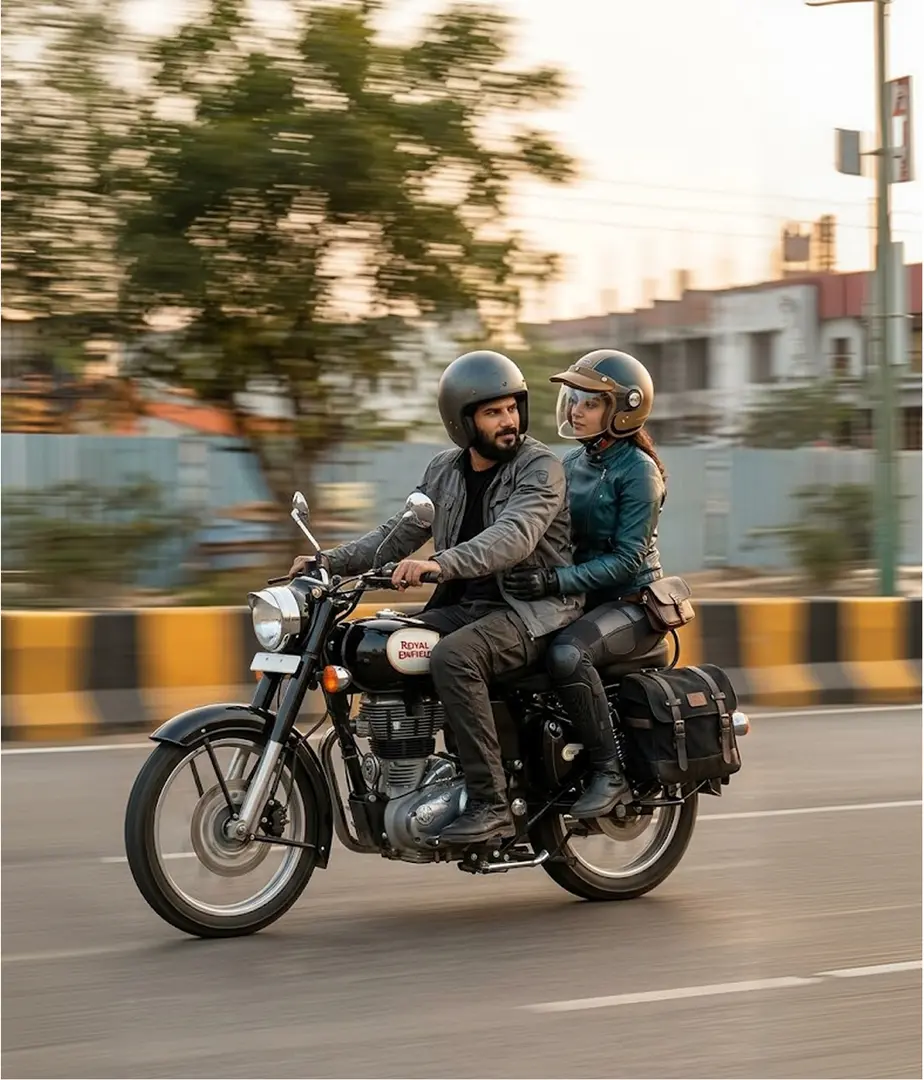
Two Wheeler Insurance
Two Wheeler Insurance is a general insurance product required by law in India for every bike or scooter. It protects you financially against losses arising from accidents, theft, damage, and liabilities to third parties.
Key Features
- Mandatory third-party liability
- Own damage coverage
- Personal accident cover
- No Claim Bonus
- Flexible policy tenure
- Cashless claim settlement
Main Types of Coverage / Plans
Choose the right coverage for your two-wheeler:












Common Add-ons (Optional Enhancements)
You can add these extras for an additional premium
Zero Depreciation Cover
Full claim without deduction for part depreciation
Roadside Assistance
Help for breakdowns, towing, tyre changes, fuel delivery
Engine & Tyre Protection
Covers major mechanical parts not typically included
Consumables Cover
Replaces small items like nuts/bolts/oils during repairs
Return to Invoice
Pays full invoice value (bike + taxes) if total loss occurs
NCB Protection
Retains your no-claim bonus even if you make a claim
Key Protect / Key Loss Cover
Covers cost of replacing lost or damaged keys
Business we associate with
Your Questions,
Answered
"From choosing the right policy to making a claim, we've answered your most common questions."
You have different questions? Our team will answer all your questions. We ensure a quick response.
Is it a legal requirement to have insurance for my bike?
Yes. Under the Motor Vehicles Act, at least Third-Party Liability insurance is mandatory. Riding without it can result in a fine of ₹2,000 for the first offense and up to ₹4,000 or imprisonment for subsequent offenses.
What distinguishes Third-Party Liability from Comprehensive coverage?
Third-Party only covers damages or injuries you cause to others. Comprehensive (or Package) coverage protects against third-party liabilities plus damage to your own bike due to accidents, theft, fire, or natural disasters.
How does the mandatory 5-year policy rule for new vehicles work?
All new two-wheelers must be sold with a 5-year Third-Party cover. You can choose to bundle this with a 1-year 'Own Damage' (OD) cover, which you then renew annually.
Is there a difference between 'Own Damage' and 'Third-Party' components?
Yes. Third-Party is the legal minimum for others' safety. Own Damage (OD) is the optional part that pays for repairs to your own vehicle.
How exactly does the No Claim Bonus reward system function?
It is a discount on your renewal premium (OD portion) for every year you don't file a claim. It stays with the rider, not the bike, meaning you keep it even if you switch vehicles or insurers.
What is the maximum discount percentage I can earn for claim-free years?
The discount starts at 20% after the first year and can scale up to a maximum of 50% after five consecutive claim-free years.
If I sell my current motorcycle, can I apply my accumulated bonus to a new one?
Yes. You should obtain an NCB Certificate from your current insurer, which you can then present when buying insurance for your new bike to reduce the premium.
How long after a policy expires do I have before my NCB resets to zero?
Current IRDAI guidelines provide a grace period of 120 days from the date of expiry. If you do not renew within this window, your accumulated NCB will be lost.
What does 'Insured Declared Value' (IDV) represent in my policy document?
IDV is the maximum sum the insurer will pay if your bike is stolen or totally destroyed. It is calculated based on the manufacturer's listed selling price minus depreciation.
What specific damages are covered under 'Zero Depreciation' versus a standard plan?
In a standard plan, the insurer deducts depreciation on replaced parts (like plastic or rubber). With Zero Depreciation, you receive the full cost of these parts during a claim, usually for bikes up to 5 years old.
Are digital insurance certificates stored in government apps legally recognized during inspections?
Yes. Digital copies of your Insurance, RC, and DL shown via DigiLocker or mParivahan are legally valid and must be accepted by traffic police across India under the IT Act, 2000.
Am I required to keep paper documents on me while riding?
No. Physical documents are no longer mandatory as long as you can present them digitally.